


Benefits of Laughter: How Humor Helps Students Learn


If you’ve listened to any Tinkercast podcast, it’s probably no surprise to learn that here at Tinkercast, we love a good laugh.
We’re eager to talk all about poop, the love life of animals, and building homes out of diapers – in the name of science of course! We don’t shy away from bathroom humor, and we take every opportunity to say BONKERBALLS!
You may be wondering, “Why in the WOW are these episodes so silly?!”
All jokes aside, research suggests there are real benefits of laughter when it comes to education. The connection between laughter and learning can include student engagement, classroom connection, memory, and even stress relief. Check out why we believe humor is FUNdamental to learning!

Increase Student Engagement and Participation

Every teacher wants their students to give their best effort, and humor might help them do so!
A 2023 study on humor in the classroom found that course-related humor was positively associated with student engagement and stronger teacher-student relationships.
Bonkerballs as it seems, a little silliness can give students another reason to tune in and participate.
Ready for your students to be all ears?! Use TinkerClass! In a beta test of TinkerClass with over 500 students and 34 teachers, around 80% of students were engaged or very engaged when participating. See for yourself! We recommend starting your science lesson with a hilariously scientific episode of Wow in the World to pique their interest, and if your students need a laugh/ brain break, play a round of Two Whats?! And A Wow! to re-engage them.
Make Learning Interactive With Gamified Learning
Humor isn’t the only way to make learning more engaging. Gamified learning uses elements of games to turn educational activities into interactive experiences that encourage students to participate.
A 2023 meta-analysis of gamification in education found an overall positive effect of gamification on student learning outcomes. The researchers analyzed 41 studies involving more than 5,000 participants, although they also found that results varied depending on factors such as the learning environment, duration, and type of students involved.
That’s part of what makes Two Whats?! And A Wow! such a fun addition to a lesson: students aren’t just listening — they’re playing along, making guesses, and testing what they know.
Humor + gamified learning = a seriously silly way to keep kids thinking!

Build Classroom Community & Connection
A positive classroom environment helps students thrive academically, emotionally, and socially. To achieve this, students must feel connected with their teachers and peers.
A 2023 study of classroom humor found that appropriate, course-related humor was positively associated with the quality of teacher-student relationships, suggesting that humor can be one way to help build connection in the classroom.
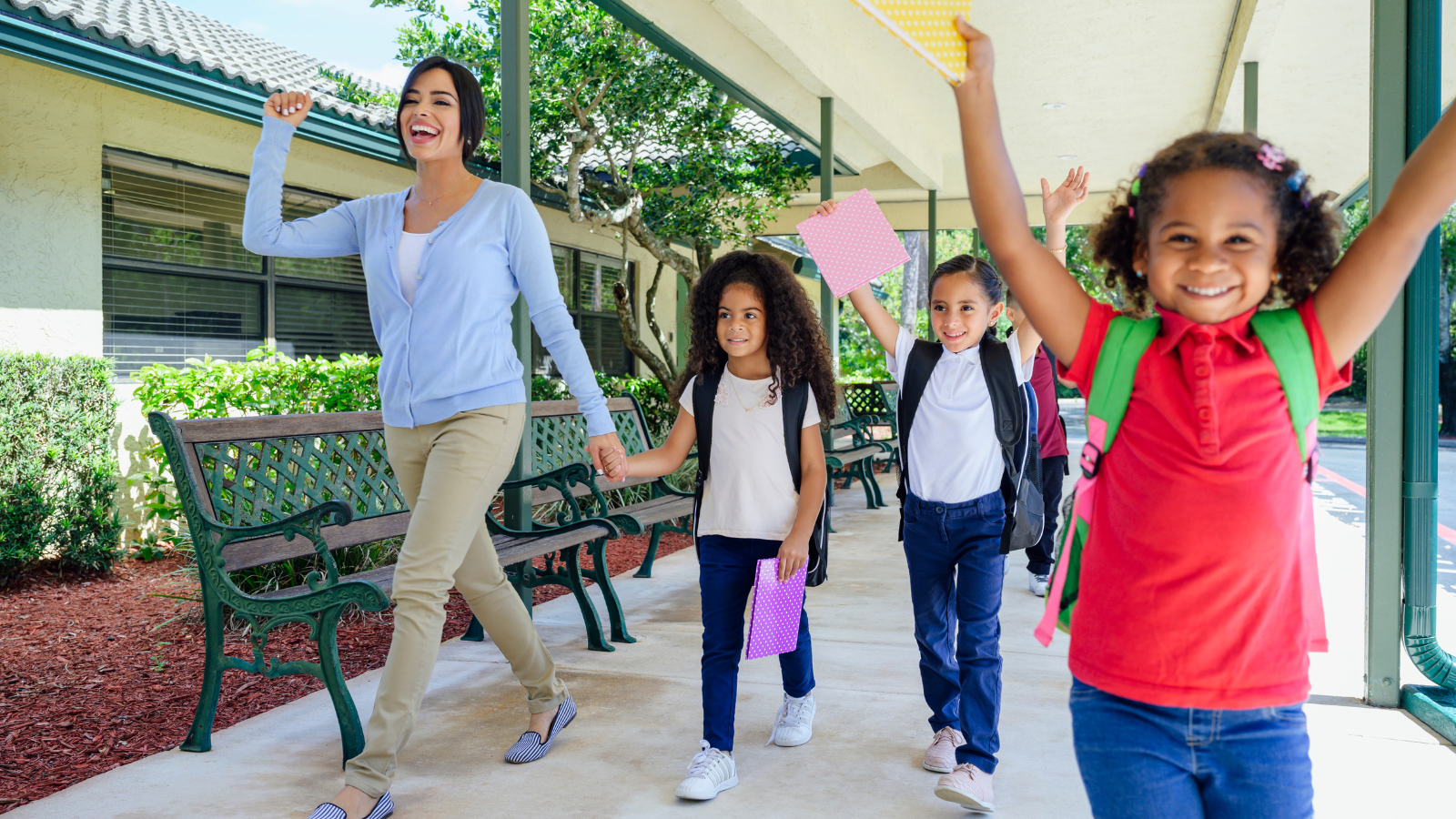
Laughter may have benefits for stress, too. A 2023 systematic review and meta-analysis found that spontaneous laughter was associated with greater reductions in cortisol, a hormone involved in the body’s stress response, compared with usual activities.
We’ve all experienced how a good laugh can break the tension and turn strangers into friends. It works the same in the classroom – students who laugh together, learn together!
No one can bring a classroom together like Guy and Mindy! Play any Tinkercast podcast as an “icebreaker” at the start of class to help your students connect. Students will feel a sense of belonging as they embark on silly, scientific adventures together.
Support Memory and Recall

Learning doesn’t stop when a lesson ends. Students need to remember information so they can connect new ideas to what they’ve already learned and apply their knowledge later. Research suggests that humor can play a role in making learning memorable, especially when the humor relates to what students are learning.
A 2025 review of instructional humor research examined decades of research on humor in teaching and found evidence connecting appropriate instructional humor with outcomes including attention, learning, memory, and recall. The research also suggests that humor is most useful when it supports the material rather than distracting from it.
The TinkerClass team is here to help your students recall what they’ve learned! Kids are sure to remember how the dinosaurs likely went extinct when they remember Mindy driving a wrecking ball into a giant Earth piñata filled with guacamole!
More Ways To WOW!
Ready to laugh while you’re learning about laughter? Check out some of our favorite science-of-humor podcast episodes for kids that explore how comedy, giggles, and goofy questions connect to real science!

iLaugh: Do Robots Have a Sense of Humor?
Can robots actually understand jokes—or are they just programmed to fake a laugh? Explore the science of artificial intelligence, emotions, and what makes something funny in this kid-friendly robotics and humor episode.

Laughter In A Can: How Our Brains Interpret Funny Business
Why do we laugh at some things and not others? This episode dives into neuroscience, brain science, and psychology of humor to uncover how our brains process jokes, surprises, and silly situations.

Just Joking Around: The Science of Comedy with Two Whats?! And A Wow!
What makes something a joke—and how do comedians come up with funny ideas? This episode explores the science of comedy, critical thinking, and playful guessing games in a laugh-filled format perfect for classroom engagement.